







Search Results for: Ice Hand-Brew
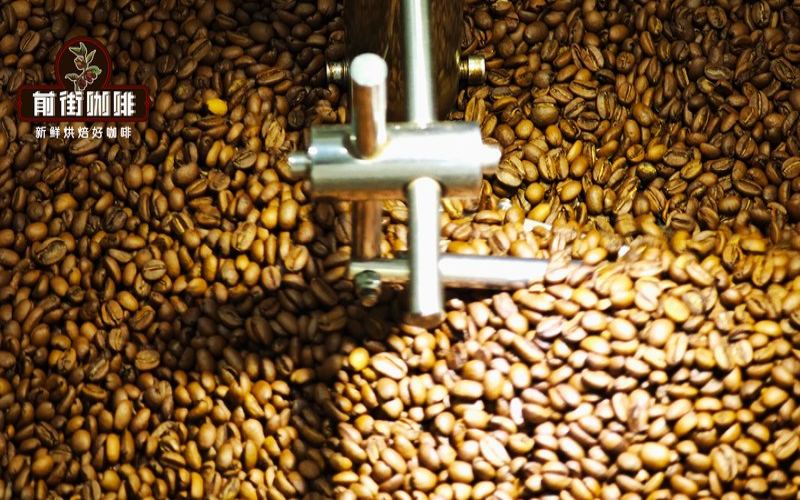
How to Choose Low-Caffeine Hand-Brew Beans: Flavor and Brewing by Roast Level
If you want to reduce your caffeine intake, you can start with the roast level when choosing beans for pour-over, but you can't directly equate light or dark roast with high or low caffeine. Light-roasted beans usually retain more of the aromas of their origin, while dark-roasted beans lean more toward caramel, cocoa, and roasty notes. What truly affects your intake also includes the bean variety, the number of grams used, the cup size, and the extraction efficiency. For example, [more…]
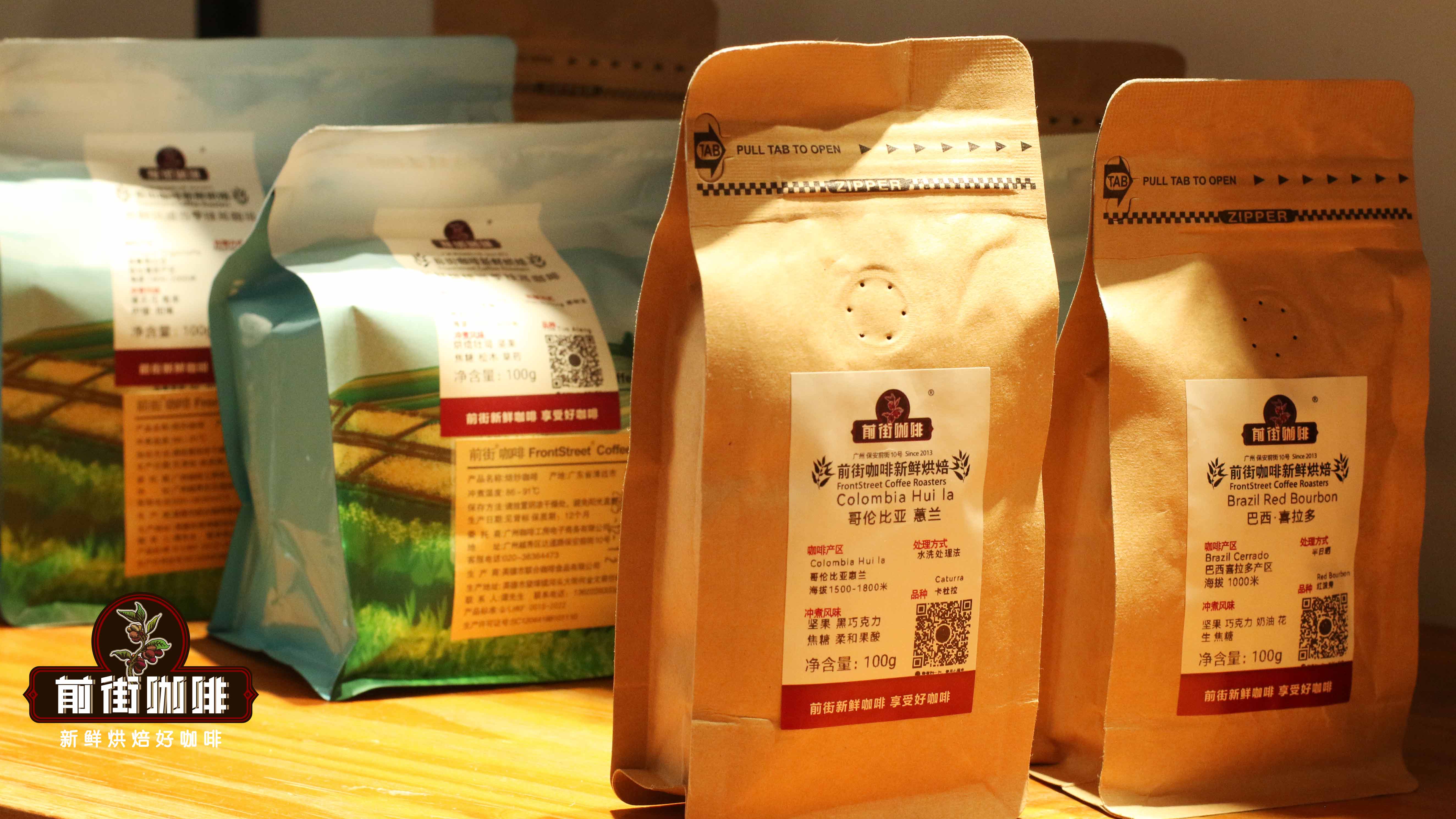
Medium-Dark Roast Coffee Beans | Which Hand-Brew Coffee Tastes Less Sour: Yirgacheffe, Brazil, or Colombia? 6 Cocoa-Flavored Specialty Single-Origin Hand-Brew Coffee Beans Recommended
Coffees from different regions, processing methods, varieties, and roast levels present different flavor profiles, so there is a suitable option for many people, whether they love acidity or not. Many people think that acidic coffee tastes rather sharp, so they start looking for high-quality coffee beans with a non-acidic taste. As consumers, then, what can we [more…]

Ethiopian Specialty Hand-Brew Beans | Why Is Sidamo Yirgacheffe Coffee So Aromatic? Is There a Big Flavor Difference Between Washed and Natural Yirgacheffe?
Yirgacheffe is a small town in southern Ethiopia, originally part of Sidamo Province. Later, because of its distinctive white floral aroma and citrus flavor, which left a deep impression on everyone who tasted it, Yirgacheffe became independent from the Sidamo region, officially ushering in a new era of acidic coffee and becoming [more…]

Beginner's Guide to Coffee Beans | Which Coffee Beans Should Hand-Brew Beginners Choose for Practice? What Are Some Recommended High-Value Everyday Coffee Beans for Home Use?
If you're a beginner just starting out with coffee, you're probably wondering: what coffee should I start drinking first? Which coffee beans are more suitable for beginners? Feeling overwhelmed by all the complicated information, right? Here are four methods to help you quickly find the introductory coffee that suits you. 1. Look at the roast level. [more…]
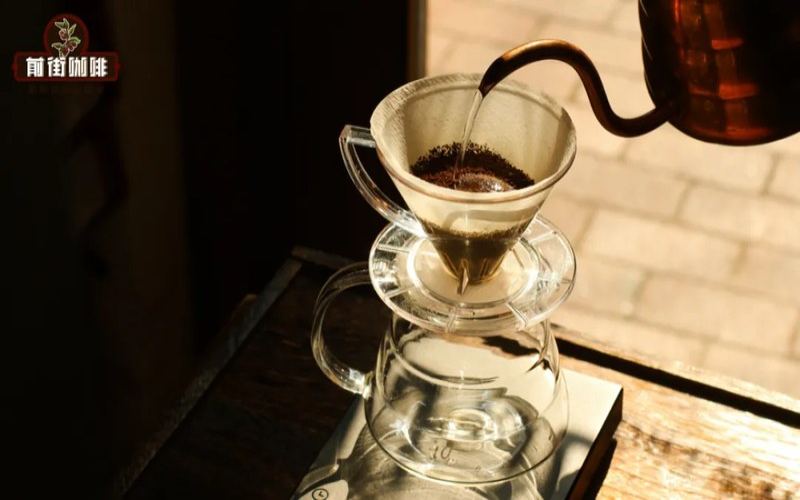
Choosing Blend Coffee Beans by Roast Level: From Bright Fruit to Rich Cocoa
The charm of blended coffee beans lies in the fact that different origin beans, when combined, can form a more complete and stable flavor. When selecting, you can first look at the roast level: light roasts tend toward bright aromas, medium roasts balance sweetness and smoothness, while dark roasts emphasize cocoa, nutty, and roasted notes. By comparing these against your own drinking habits, choosing beans becomes much easier. [more…]
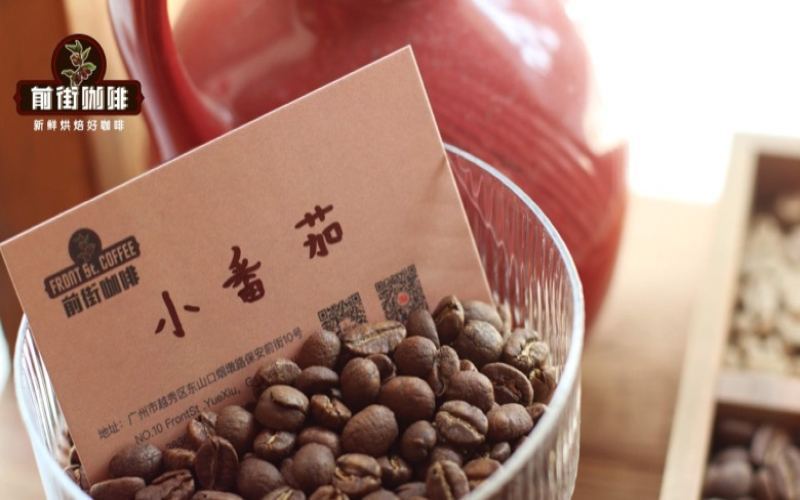
SL28 and SL34: The Legendary Varieties from Kenya's Laboratory
In the world of specialty coffee, few varieties encapsulate a country's technical ambition and terroir expression in two numbers the way SL28 and SL34 do. Their acidity is bright as berry juice, their sweetness rich with blackcurrant notes, and together they have all but defined the "Kenyan taste." This legendary [more…]
How to Choose Hand-Brewed Coffee Beans by Roast Level
The roast level of hand-brewed coffee beans determines where the flavors in the cup unfold. Light roasts make floral and fruity notes easier to perceive, medium roasts connect sweetness, acidity, and body, while dark roasts bring cocoa, nut, and roasted aromas. For ordinary consumers, choosing according to the flavors they like and how they usually drink coffee matters more than looking only at [more…]
Light, Medium, and Dark Roasts: How to Choose the Right Flavor for Pour-Over Beans
The roast level of pour-over coffee beans determines where the aroma comes from, and also affects the acidity, sweetness, body, and aftertaste on the palate. Light roasts more easily preserve the characteristics of the origin and variety, medium roasts strike a balance between brightness and sweetness, while dark roasts push the flavor toward caramel, cocoa, and a roasted feel. Understanding this path of change first will help you when choosing beans. [more…]
Coffee-to-Water Ratio | How to Calculate the Pour-Over Coffee-to-Water Ratio, Cold Brew Pour-Over Coffee-to-Water Ratio
Without adding sugar or milk, how to hand-brew a delicious and distinctive cup of coffee is a difficult challenge for many enthusiasts just starting out in coffee. Pour too much water and the coffee will be weak; pour too little and it will be very strong and harsh on the throat. Therefore, you must pay attention to the coffee-to-water ratio. So exactly how much water should be used to brew a cup of coffee? The coffee-to-water ratio is probably what every [more…]
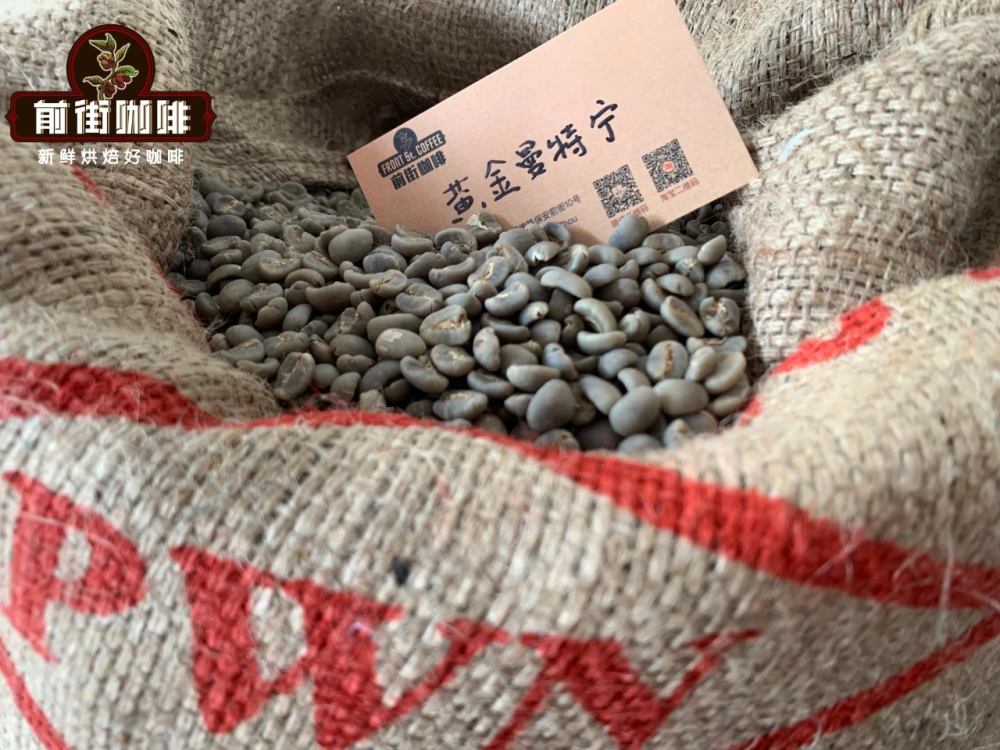
Deep Roast Pour-Over Single-Origin Bean Recommendation | Why Is PWN Golden Mandheling So Expensive? What's the Difference Between Golden Mandheling and Regular Mandheling?
There are many kinds of coffee, with light roasts and dark roasts. Besides the differences in coffee beans, the coffee machines are also different, so there are many things to pay attention to. Today, Front Street Coffee will tell everyone how to hand-brew Golden Mandheling coffee. Golden Mandheling coffee is a very popular specialty coffee bean at Front Street Coffee! In introducing Golden Man [more…]
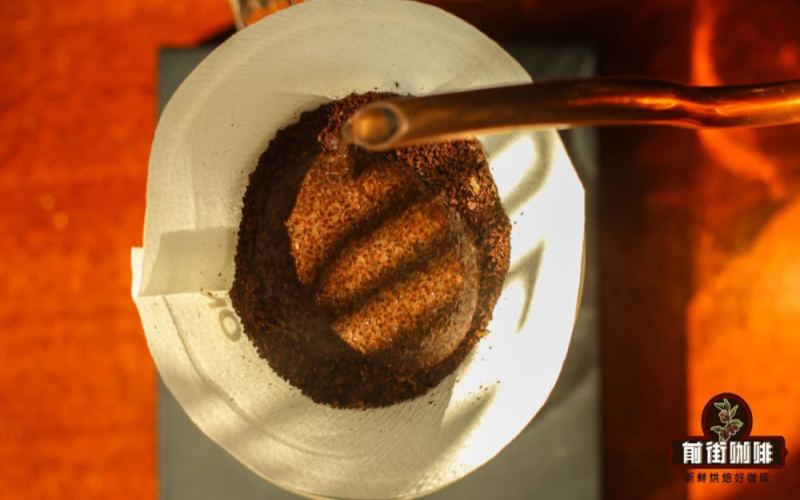
Single-Origin Pour-Over Beans for Beginners | What Are the Four Japanese Pour-Over Techniques? How Do Different Coffee Brewing Methods Affect Coffee Flavor?
Recently, many coffee-loving friends who come to Front Street Coffee to buy coffee beans have asked Front Street how to correctly brew pour-over coffee to bring out its best flavor. Front Street also often says that the process of pour-over coffee is a kind of enjoyment, and coffee brewed by one's own hands feels even more delicious on a spiritual level. So this Front Street article will introduce [more…]
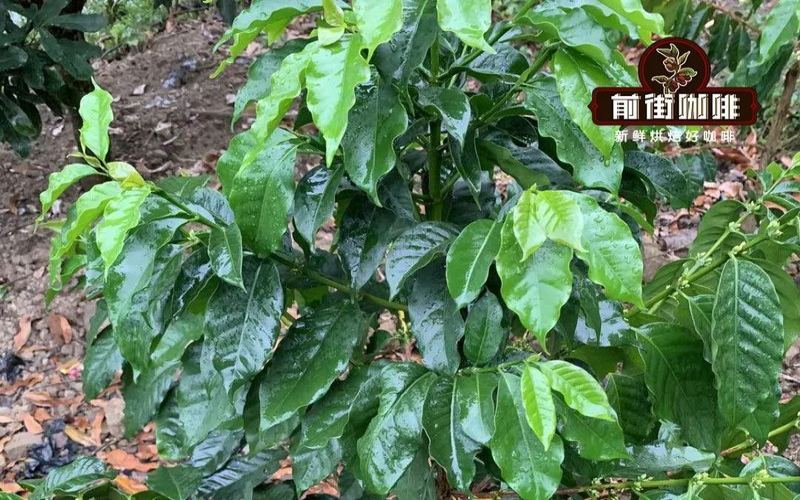
Sweet fruity pour-over beans: when is the best time to open the bag after roasting?
Hand-brew beans with pronounced sweetness and abundant fruit aromatics are not necessarily best brewed the closer they are to leaving the roaster. Freshly roasted beans are still continuously releasing carbon dioxide, and when hot water touches them, the coffee bed tends to puff up noticeably; the aroma may seem soaring, but the cup can taste somewhat scattered. Give them a quiet, stable period of rest, and the fruit notes and sweetness will usually connect more [more…]
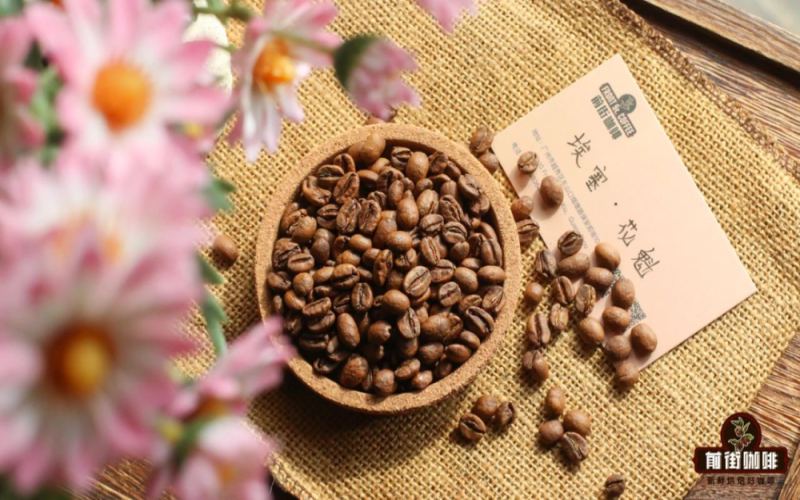
Recommendations of Drip Coffee Brands and Types | Can Drip Coffee Bags Be Reused for Multiple Infusions? What Is the Extraction Principle of Drip Coffee? What Are the Specialty Coffee Drip Bags?
Drip coffee bags use drip filtration, and their design was inspired by teabags with strings. The inventor wanted to simulate pour-over drip coffee by pre-portioning ground coffee into non-woven filter bags, with paper tabs on both sides that allow the bag to hang suspended in the center of the cup. Because the coffee is pre-ground and there is also a lack of various brewing accessories, [more…]
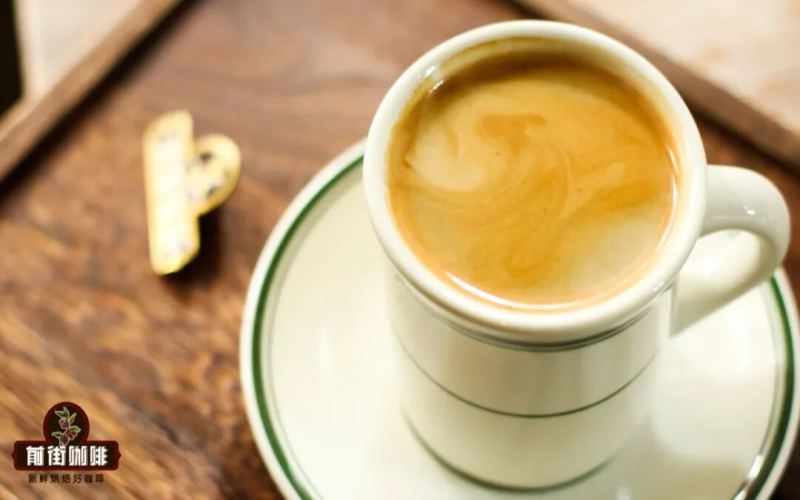
Espresso Coffee Brewing Methods | Why Is an Iced Americano from a Coffee Shop Warm After Removing the Ice? How Do You Make a Delicious Ice-Free Americano?
I wonder if any of you have ever ordered an "iced Americano without ice" at a coffee shop. If you have, then Front Street believes you were most likely puzzled by the coffee that was served. Why? Because the iced Americano without ice made by the vast majority of coffee shops differs somewhat from what you'd imagine. Regarding iced Americano without ice, what you'd imagine is [more…]
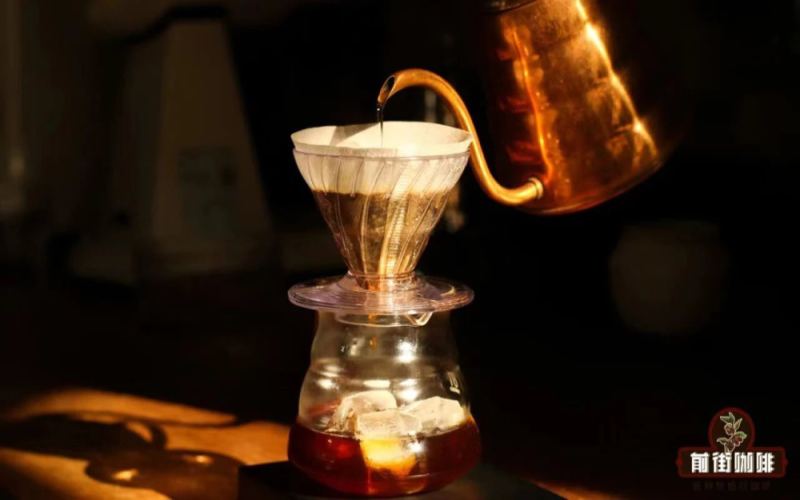
Ice Coffee Brewing Methods | What's the Difference Between Cold Brew, Ice Drip, Iced Americano, and Iced Pour-Over? Which Ice Coffee Tastes Better?
As temperatures gradually rise, the popularity of iced coffee slowly heats up too. Common types of iced coffee include iced pour-over coffee, iced espresso, cold brew coffee, and cold drip coffee, etc. But what are the differences between these four types of iced coffee? And how do they differ in taste? Today Front Street Coffee (FrontStreetC [more…]

What Exactly Is Cold-Brewed Coffee? One Article Clarifies the Core Differences Between Cold Brew, Ice Drip, Cold Steep, and Hot Coffee Poured Over Ice
Many coffee enthusiasts encounter a headache-inducing problem while teaching themselves: they search for a technical term and end up with a pile of associated words that seem similar but each carry different meanings, leaving them more confused the more they look into it. This is especially true in the realm of iced coffee—cold brew, ice drip, ice brew, cold soak, Dutch coffee, Kyoto coffee... these names appear frequently in various articles, but what exactly are the differences between them? Which one does ice brew coffee actually refer to? This article will start from the broad concept of cold brew coffee, sort through the various branches of low-temperature extracted coffee one by one, analyze the relationship between ice brew and cold soak and ice drip, and explain the essential differences between ice brew coffee and ordinary hot coffee poured over ice in terms of production principles and flavor expression, helping readers build a clear cognitive framework. [more…]
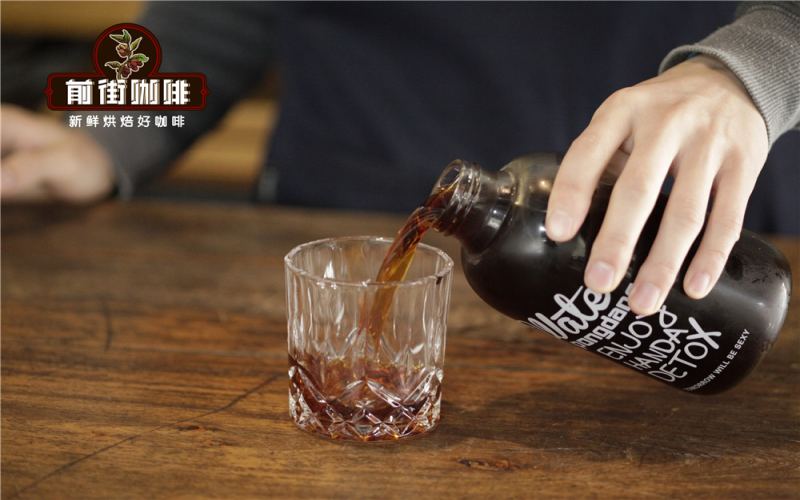
Ice Drip Coffee | Which coffee bean origin is recommended for making ice drip coffee? The origin and story of ice drip coffee
Ice drip coffee, also known as ice-brewed coffee or water-drop coffee, is called Ice Drip coffee in English and is a method of making coffee drinks. Generally, cold brew coffee refers to coffee made by steeping ground coffee beans in room-temperature water for as long as ten-plus hours, after which special filter paper or a filter is needed to separate the water from the coffee. [more…]

Coffee Equipment | What equipment is needed to make ice drip cold brew? How long can ice drip cold brew coffee be stored? Why does cold brew ice drip taste better after sitting overnight?
For more specialty coffee knowledge, please follow our WeChat public account: Front Street Coffee (FrontStreet Coffee). Recently, more and more friends have been making cold brew coffee, ice drip coffee, and other cold-brewed coffees at home. The ice drip coffee that Front Street prepares in advance is also in short supply. Many friends have also asked, [more…]
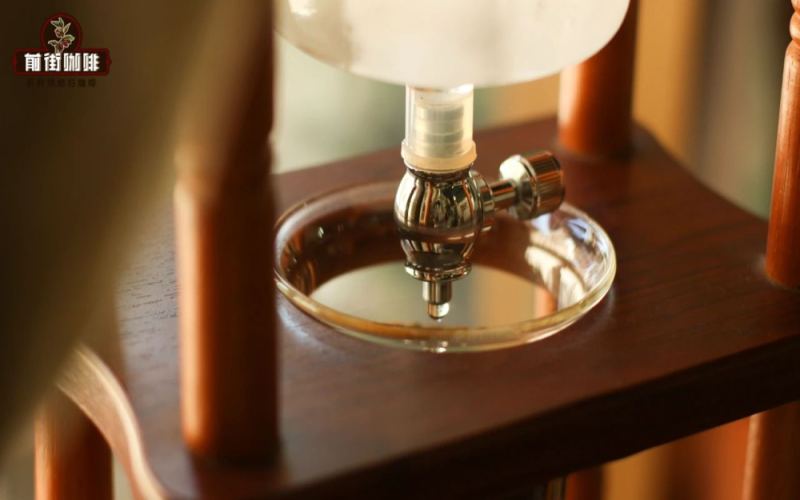
Cold Brew Coffee Brewing Parameters | How to Distinguish Ice Drip from Cold Brew? What Are the Flavor Differences Between Ice Drip and Cold Brew Coffee? Why Is Ice Drip More Expensive Than Cold Brew?
Ice drip coffee and cold brew coffee are both relatively common types of iced coffee. Many friends still haven't clearly distinguished between them, so Front Street Coffee is here to share some relevant knowledge. The shared characteristic of ice drip coffee and cold brew coffee is low-temperature extraction, and both take a relatively long time to make, so it's basically impossible to make them to order. However, their extraction methods [more…]

Cold Brew Coffee Bean Recommendations | How to Make Cold Brew Coffee? Cold Brew Coffee Extraction Time, Coffee-to-Water Ratio, and How Much Ice to Use?
For more specialty coffee knowledge, please follow our WeChat official account: Front Street Coffee (FrontStreet Coffee). When it comes to iced coffee, the first thing that comes to mind for many might be methods like ice drip or cold brew. Today, Front Street is sharing another very simple iced coffee method: ice extraction. [more…]